Learn About asset tracking solutions
Boost Efficiency: Best Data Center Infrastructure Management Services for Superior Performance
Enhancing effectiveness in data centers is needed for organizations endeavoring to strengthen functioning. Top Data Center Infrastructure Management (DCIM) services supply vital capabilities for live monitoring and analytics. Solutions from ServiceNow, Sunbird, Schneider Electric, and Nlyte differentiate themselves in this competitive space. These services not only keep tabs on assets but also perfect resource allocation. Understanding how to settle on the right DCIM solution can result in significant benefits. What points should organizations weigh to make an astute decision?
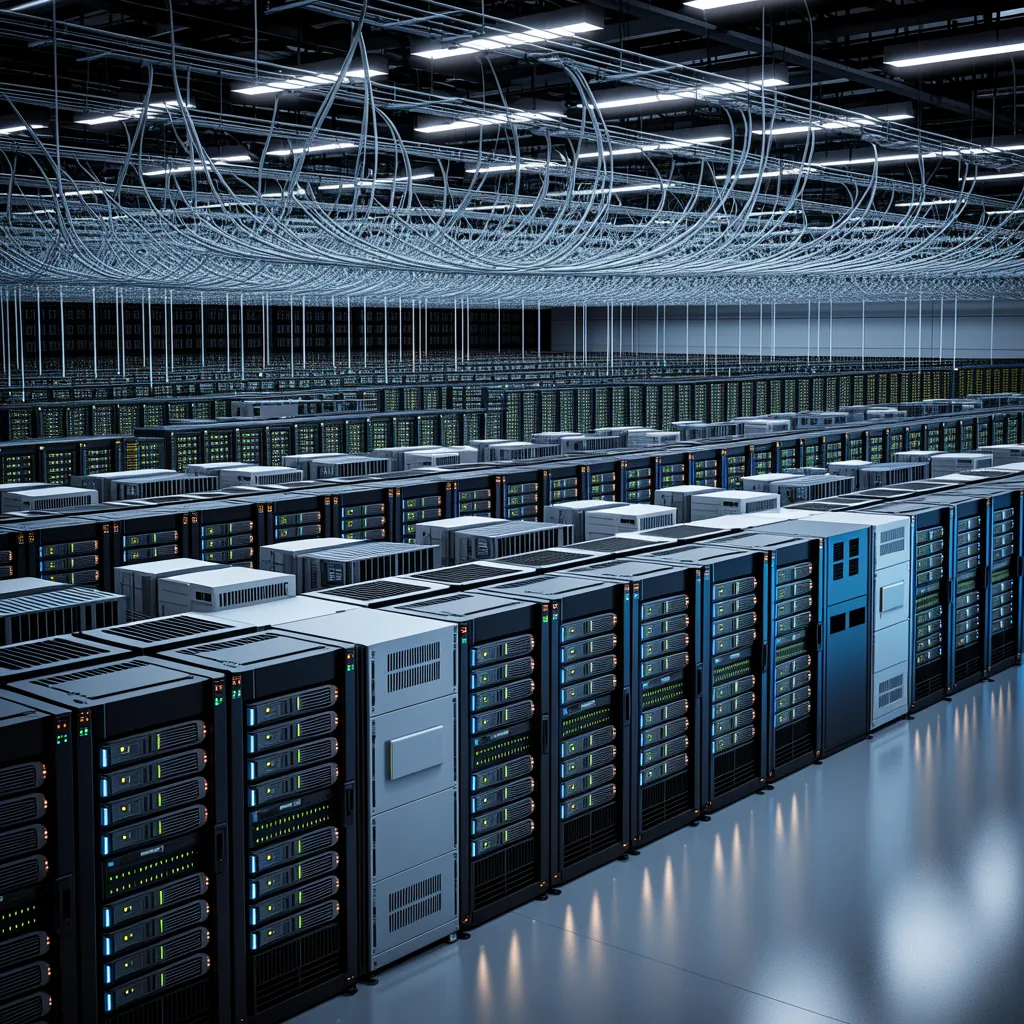
Top DCIM Services for 2023
As institutions substantially depend on data centers to support their operations, identifying the best Data Center Infrastructure Management (DCIM) tools for 2023 becomes vital. Leading DCIM services offer extensive packages meant to upgrade resource management, improve operational efficiency, and guarantee robust monitoring capabilities. Notable contenders in the market include ServiceNow, acclaimed for its integration capabilities, and Sunbird, which excels in real-time visualization and reporting. Additionally, Schneider Electric provides a powerful platform for energy management and asset tracking.
Another important competitor, Nlyte, specializes in improving data center performance through advanced analytics. These services not only facilitate better decision-making but also help in forecasting upcoming needs. As data requirements continue to increase, choosing a DCIM service that offers flexibility and versatility is essential. Ultimately, organizations must assess their specific needs to select the most suitable DCIM service, guaranteeing optimal efficiency and dependability in their data management strategies.
Learning about server facility system administration (DCIM)
Data Center Infrastructure Management (DCIM) includes a collection of instruments and methodologies designed to oversee, control, and enhance data center assets. By combining IT and infrastructure oversight, DCIM delivers comprehensive insight into the efficiency and usage of essential systems. This method enables real-time data collection, allowing operators to take knowledge-based actions regarding power usage, temperature management effectiveness, and area allocation.
DCIM systems commonly feature functionalities including equipment monitoring, capacity planning, and facility oversight, which synergistically to boost workflow performance. They give data center managers the capacity to spot bottlenecks, refine operations, and minimize operational costs. Moreover, DCIM supports forward planning for future expansions and supports enterprises adhere to regulatory standards. Through implementing well-designed DCIM approaches, data centers can realize increased stability, better environmental practices, and greater overall performance, in turn contributing to enhanced service delivery in a dynamic digital landscape.
Critical Functions for Deciding on High-performing DCIM Solutions
Selecting effective Data Center Infrastructure Management (DCIM) services requires careful evaluation of essential features that improve performance and resource management. Important attributes encompass real-time tracking features, enabling instant insight into power usage and environmental conditions. connectivity with existing infrastructure is also essential, as smooth data exchange promotes a unified approach to data management.
Scalability serves as an important feature, allowing organizations to adjust as their infrastructure grows and changes. Advanced analytics can provide forecasting intelligence, supporting proactive decision-making and reducing downtime. User-friendly interfaces improve accessibility for multiple users, while robust security measures protect sensitive data.
In conclusion, adjustment capabilities guarantee that DCIM services can be configured to meet specific organizational needs. By stressing these vital elements, organizations can select DCIM services that not only optimize performance but also contribute to continuous improvement and operational success.
Finding the Perfect DCIM Solution Tailored to Your Organization?
In what way can an business establish the best DCIM option suited to its particular needs? The selection methodology starts off with a exhaustive assessment of existing infrastructure and operational requirements. Organizations should define specific goals, such as improving uptime, promoting resource utilization, or perfecting capacity planning. Additionally, evaluating scalable capacity is necessary; a solution must evolve to ensuing growth and technological advancements.
Subsequently, enterprises must assess integration options. The ideal DCIM solution should integrate seamlessly with current tools and systems. Usability also is important; intuitive interfaces support user adoption and efficiency.
Moreover, organizations should examine vendor support and community participation, as continual support and capabilities can be pivotal. In summary, executing a cost-benefit analysis establishes that the chosen solution complies with budget constraints while furnishing the anticipated value. By following these elements, organizations can assuredly elect a DCIM product that accommodates their particular needs and optimizes overall performance.
Using DCIM Solutions to Improve Power Consumption
Using DCIM tools can greatly enhance power efficiency within data centers. By providing in-depth insights into energy demand and thermal dynamics, these tools allow operators to detect inefficiencies and refine resource allocation. With current metrics on energy usage, data center managers can take knowledgeable choices about equipment placement and thermal approaches, ensuring that energy is not lost.
DCIM tools also facilitate automated control over power loads, allowing for dynamic adjustments based on current demand. This adaptability can lead to review article substantial decreases in energy costs. In addition, advanced analytics within DCIM tools can identify areas for further improvement, encouraging proactive measures rather than reactive fixes.
Integrating these solutions into daily operations fosters a environment of continuous improvement, ultimately leading to a greener data center environment. The outcome is not just improved performance but also a lower environmental impact, conforming with wider sustainability objectives.
Real-Time Surveillance : The Pillar of DCIM Performance
Real-time monitoring plays as a key requirement in the success of Data Center Infrastructure Management (DCIM). By furnishing superior performance metrics, it allows preventative identification and fine-tuning of resource usage. This functionality ultimately contributes toward improved operational efficiency and trustworthiness within data centers.
Enhanced Efficiency Metrics
Tracking infrastructure facility operational metrics is crucial for boosting performance and maintaining reliability. Advanced operational metrics supply essential intelligence into various infrastructure elements, including energy efficiency metrics, cooling system efficiency, and resource distribution. By harnessing live information, businesses can examine their system's operational status and adaptability, supporting strategic decision-making. Metrics including uptime measurements, latency metrics, and data flow support spot emerging patterns and determine expansion requirements. Furthermore, these measurements build team accountability across departments, informing strategic direction and capital allocation. Regular evaluation of operational data supports not only benchmarking to industry best practices while encourages an environment of perpetual advancement. In the end, superior performance metrics function as a principal foundation of effective infrastructure management approaches, generating both operational superiority and business advantage.
Active Issue Monitoring
Proactive problem identification plays a crucial role in preserving the integrity of data center operations. By leveraging real-time monitoring tools, data centers can identify potential problems before they escalate into severe breakdowns. This strategy allows teams to respond swiftly to irregularities in temperature, energy usage, and system functionality. Continuous observation ensures that any variations from standard parameters are flagged right away, allowing for prompt action. As a result, the overall reliability of the infrastructure is enhanced, minimizing service interruptions and preserving service quality. Moreover, preventive identification contributes to informed decision-making regarding service plans and resource allocation, eventually maximizing system performance. Committing resources in comprehensive tracking systems is indispensable for sustaining optimal functioning in modern complex data environments.
Resource Deployment Refinement
Skilled management of a data center's resources depends on the capability to perpetually evaluate and track operational metrics. Real-time observation serves as the base for bolstering resource utilization, enabling data center managers to uncover inefficiencies and allocate assets effectively. By leveraging advanced DCIM tools, organizations can procure essential information on power consumption, cooling efficiency, and workload distribution. This data allows for more informed decision-making, ensuring that resources are optimized to their fullest potential. Additionally, real-time analytics facilitate immediate interventions to changing demands, minimizing waste and advancing overall performance. Ultimately, effective resource utilization optimization not only elevates operational efficiency but also contributes to sustainability goals, making it a crucial component of modern data center management strategies.
Anticipated Trajectories in Data Center Resource Management
As computing facilities expand to address rising demands for efficiency and effectiveness, developing patterns in Data Center Infrastructure Management (DCIM) are overhauling the sector. One prominent trend is the adoption of artificial intelligence (AI) and machine learning, which strengthens predictive analysis for capacity management and power efficiency. These technologies facilitate real-time observation and self-correcting responses to emerging challenges, substantially reducing downtime.
In addition, the deployment of edge computing is spurring a shift in DCIM methodologies, as firms pursue to process data closer to its source for refined speed and efficiency. This entails advanced management tools to maintain performance across distributed environments.
Sustainability is also at the leading edge, with an emphasis on lowering carbon footprints and optimizing resource consumption. Finally, the rise of hybrid cloud solutions necessitates more complex DCIM systems that can smoothly manage both on-premises and cloud resources, providing maximum operational efficiency.
Regularly Asked Questions
How Do I incorporate DCIM With Existing Data Center Setup?
To integrate DCIM with current data center systems, one should evaluate current infrastructure, ensure compatibility, deploy APIs for data exchange, and perform thorough testing to verify seamless operation and improved management capabilities across platforms.
What Is the Mean Expense of Setting Up DCIM Solutions?
The expenditure for rolling out DCIM solutions often falls between $20,000 and $150,000, influenced by the data center's proportions, the complexity of the technical setup, and the demanded functionalities toward optimal management.
Do certain compliance standards exist for DCIM Services?
Certainly, particular regulatory requirements exist for DCIM services, such as ISO 27001 for data protection, PCI DSS for payment data security, and multiple environmental guidelines that guide energy efficiency and eco-friendly operations within data centers.
How frequently Should I Update My DCIM Software?
Updating DCIM software should happen at least annually, though updates every three months are recommended to guarantee peak performance, security enhancements, and adherence with evolving standards. Regular assessments help determine when updates are needed for specific organizational needs.
Will DCIM Solutions Facilitate Business Continuity Planning?
DCIM tools offer substantial support in disaster recovery planning through continuous oversight, inventory control, and scenario simulations. This makes certain that data centers are adequately prepared for potential disruptions, improving overall resilience and contingency approaches.